
5 Costly Mistakes to Avoid When Renovating a Family Home
Renovating a family home is a big investment—not just financially, but emotionally too. You’re not just creating something beautiful, you’re shaping how your home will feel to live in every day.
And while high-end projects come with incredible potential, they also leave more room for expensive missteps if things aren’t thought through properly.
Here are five common mistakes to avoid if you want a home that feels as good as it looks.
1. Not planning everything properly from the start
It’s tempting to figure things out as you go—but in reality, the best projects are the ones that are carefully planned upfront.
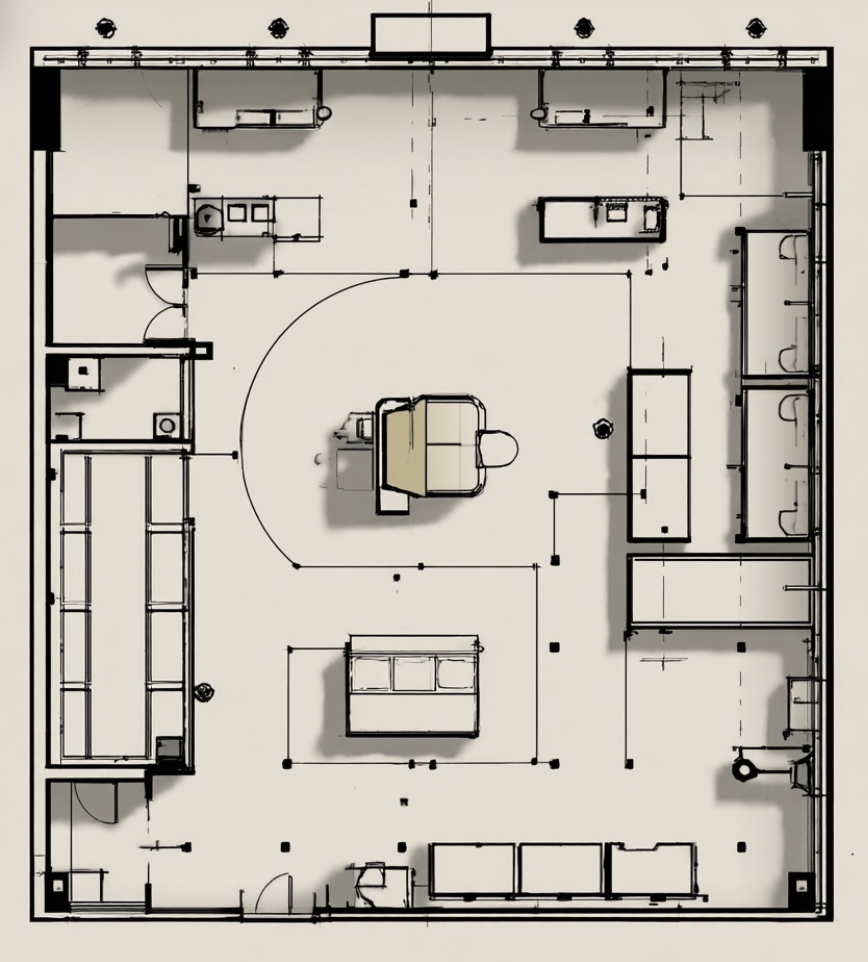
Before work begins, you should have a clear idea of your layouts, where furniture will sit, and how lighting and electrics will work. These decisions all depend on each other, and trying to make them later usually leads to compromises.
A simple example: you can’t place lighting properly until you know how the room will be used. And that depends on your furniture layout.
Your builder doesn’t need to give you an exact timeline, but they should tell you what decisions they’ll need from you and when. Staying ahead of that means you won’t be rushing important choices—and those are often the ones you live with the longest.
2. Not designing enough storage into the space
Storage isn’t the most exciting part of a renovation—but it’s one of the most important.
In a busy family home, it’s what keeps everything feeling calm and under control. Without it, even the most beautifully designed rooms can quickly feel cluttered.
The key is to design storage as part of the architecture of the home, not as something added later. Bespoke joinery, concealed cabinetry, and multi-functional spaces allow you to maintain clean lines while supporting the realities of family living.
Good storage doesn’t stand out, but you’d definitely notice if it wasn’t there.

3. Underestimating budget and timelines
Even the most well-planned renovations come with surprises.
There are always hidden issues, small additions, or upgrades that seem minor at the time but quickly add up. That’s why it’s so important to allow a buffer—around 15–20% is a sensible starting point.
The same goes for timing. Delays are part of the process, whether it’s waiting on materials or unexpected work that needs doing.
Giving yourself that extra breathing room means you can make better decisions along the way, rather than feeling pressured or restricted.
4. Choosing a contractor based on price alone
It’s completely understandable to look closely at costs—but with renovations, the cheapest option isn’t always the best value.
A lower quote can sometimes lead to higher costs later on, whether that’s through added extras, delays, or work needing to be redone.
At this level, quality really matters. The finish, the detailing, and the overall experience of the project all come down to the team you choose.
Focus on proven expertise, strong references, and a portfolio that aligns with your expectations. The best contractors are rarely the cheapest—and they’re often booked well in advance—but they bring a level of care and consistency that’s difficult to replicate.
5. Stepping back too far from the process
Trust in your team is essential—but so is your presence.
Even with excellent professionals in place, regular communication is what keeps a project running smoothly. Small assumptions can quickly turn into costly corrections if they’re not addressed early.
Consistent, focused check-ins ( just 10–15 minutes, in person, every day or two) help ensure alignment at every stage. You remain informed, decisions are made in context, and any adjustments can be handled proactively.
The goal isn’t to micromanage, but to stay meaningfully engaged.